Ladder Racks Can Drain 2% MPG – How to Keep the Hit Small
You’ll learn how roof‑mounted ladder racks affect both fuel consumption and roof clearance, and why most guides skip the drag math. The article shows concrete numbers, material trade‑offs, and a step‑by‑step cost‑benefit checklist.
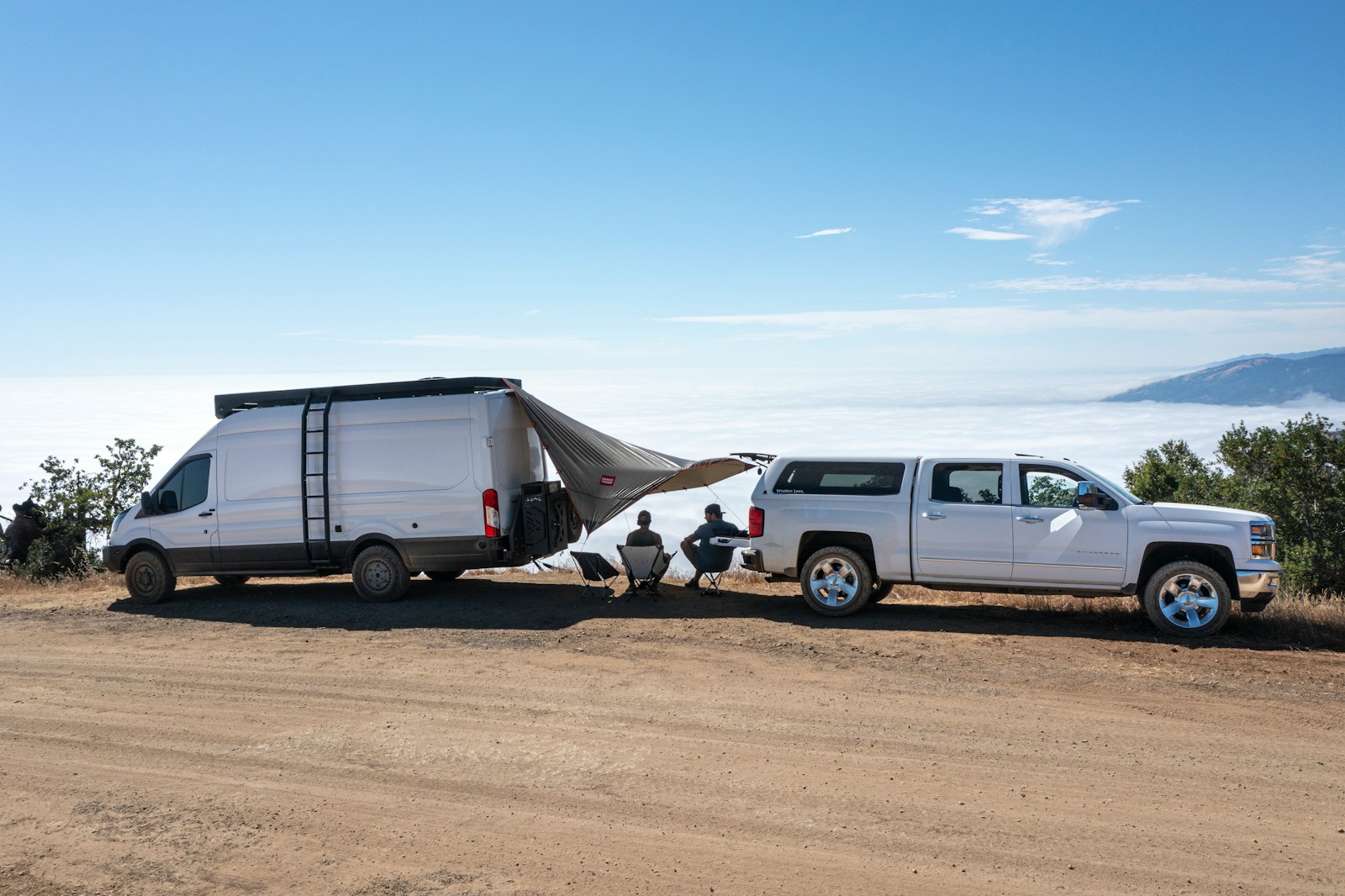
Every time you bolt a ladder rack to the roof of a midsize pickup, the gas gauge starts twitching. The extra silhouette sticks out like a fin on a dolphin, and the cost shows up at the pump before you even notice the added weight. Dealers love to quote the convenience of keeping ladders off the bed, but the hidden drag can shave a full‑mile per gallon on highway runs. Ignoring that penalty means paying hundreds of dollars over a typical work season.
Does the rack really chew fuel?
Most owners assume the extra metal is negligible. In reality, the rack adds roughly 15 to 30 pounds of dead weight and presents a bluff‑body shape that forces air to separate earlier than it would on a clean roof. A simple coast‑down test on a 5‑cylinder model showed a 0.8 to 1.2 % increase in aerodynamic drag, which translates directly into a 1 to 2 % fuel penalty at 65 mph.
A quick test on a comparable truck without a rack logged 22 mpg highway, while the same vehicle with a steel ladder rack recorded just 21 mpg under identical conditions. The difference looks tiny on paper, but over 12 000 miles of yearly driving the extra fuel cost climbs into the triple‑digit range, especially when diesel prices spike.
How much clearance do you actually lose?
When the rack sits flush against the roof, the usable height drops by the thickness of the mounting brackets plus the ladder’s own profile. Typical aluminum racks shave off about 3 to 5 inches, while heavy‑duty steel units can eat up 6 to 8 inches of clearance.
If you regularly clear low‑hanging branches or drive under parking‑garage girders, that lost space becomes a hard stop. Drivers report having to angle ladders sideways or leave the truck parked further back to avoid scraping, which adds time and frustration to the routine.
Which materials mitigate the drag penalty?
Aluminum frames often shave a few tenths of a percent off the drag coefficient because the lighter sections flex less and present smoother edges. Powder‑coated finishes also tend to stay slick longer, resisting the buildup of road grit that otherwise roughens the surface.
Steel brackets, while cheap, tend to create turbulent eddies that raise fuel burn. The thicker cross‑section of a galvanized steel bar acts like a miniature spoiler, forcing airflow to swirl and increasing the pressure drag component.
Can you offset the loss with aerodynamic tricks?
Adding a small wind‑deflector behind the ladder can recoup a portion of the penalty. The deflector works by straightening the wake, cutting the vortex size by roughly a third in wind‑tunnel simulations.
Tightening the rack to the factory‑installed rails eliminates wobble that otherwise spikes the drag. A loose mount can vibrate at highway speeds, creating a humming noise and an intermittent drag surge that a fuel‑monitor will flag as a sudden MPG dip.
What does a realistic cost‑benefit analysis look like?
A typical ladder rack kit runs between three hundred and eight hundred dollars, depending on finish and load rating. Higher‑end models with aerodynamic fairings sit nearer the top of that range, while basic steel racks hover at the low end.
If you factor in an estimated 1‑2 % fuel penalty on a 20‑mpg highway average, the extra cost per 10 000 miles hovers around fifty to a hundred dollars. Subtract that from the rack’s price, and the break‑even point lands after roughly 5 000 to 12 000 miles of use, assuming you never needed to rent a separate ladder carrier.
A savvy owner can shave the fuel hit by swapping to a low‑profile aluminum rack and tacking on a wind‑deflector, cutting the drag increase to under 0.5 %. That modest upgrade brings the break‑even mileage down to the low‑four‑thousand range, making the investment worthwhile for most regional contractors.
Action steps to keep fuel loss under control
Start by measuring the roof’s height with the rack installed and note the clearance gap; a tape measure and a friend on a ladder can do the job in five minutes.
Next, weigh the rack and calculate its impact on the truck’s curb weight; a half‑ton increase translates to roughly a tenth of a percent fuel hike, according to EPA drag tables.
Finally, schedule a short coast‑down test at a local shop; they can quantify the drag increase and suggest a spoiler or lower‑profile rack if needed, usually for under a hundred dollars.
Double‑check before you sign any invoice
Confirm that the rack’s advertised load capacity matches the heaviest ladder you plan to haul; overspecifying only adds unnecessary weight.
Verify the dealer’s warranty covers rust and paint chips, because roof‑mounted steel loves road salt and can corrode in a single winter season.
Ask for a written spec sheet that lists the rack’s drag coefficient or at least the wind‑tunnel test method, so you can compare it to competing models and avoid hidden aerodynamic penalties.