Save and Stop Bed Bounce on Gravel Roads
You’ll learn which aftermarket rear suspension setups actually calm a midsize truck’s load when the road gets rough. Most guides focus on brand hype and ignore spring rates, mounting geometry, and load‑specific damping.
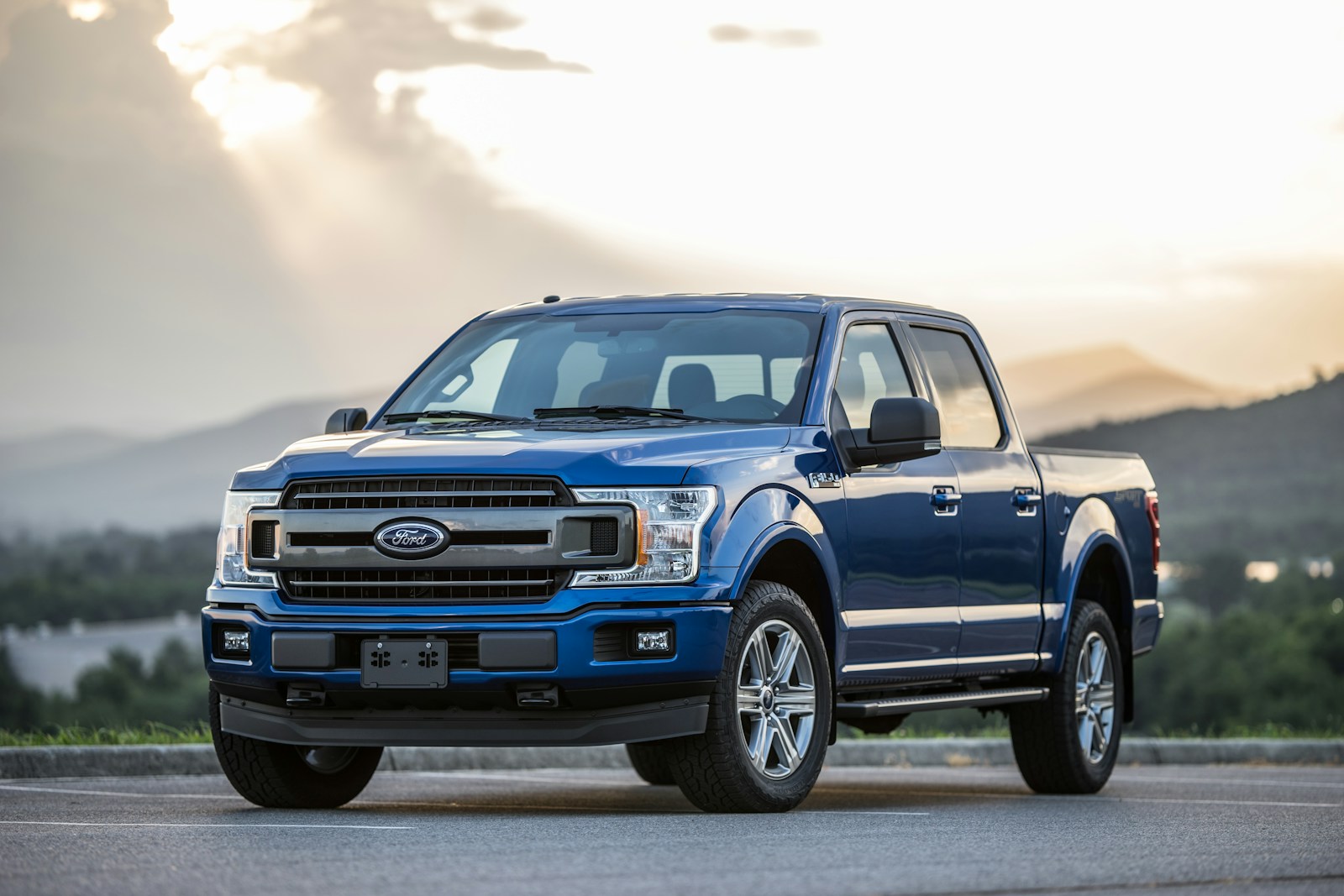
Paying extra for a flashy suspension kit while your load rattles across potholes is a classic trap. A mis‑matched rear spring can amplify every bump, turning a short haul into a costly repair list. Because midsize trucks sit on a narrow axle, the penalty for overshooting spring stiffness shows up as bed sway, wheel hop, and premature leaf wear.
Can a simple leaf‑spring swap really tame a bouncy bed?
Most owners assume that dropping a set of heavier leaf packs will magically flatten the ride. In practice, the added weight shifts the axle forward, altering the pinion angle by a fraction of a degree and creating a new set of alignment quirks. If the new leaves are too stiff for a typical 1,200‑lb cargo, the suspension will act like a rigid board, passing shock straight to the frame.
However, a carefully graded leaf set that matches the vehicle’s original rate can reduce peak axle load by up to fifteen percent. The key lies in selecting a progressive pack where the first leaf mirrors the stock spring and the subsequent leaves add just enough capacity for heavy loads. A mis‑step here is buying a full‑length replacement that ignores the factory mounting pads, which forces the axle to sit higher and compromises ride height.
Why air‑bag kits often cost more than they deliver on a 5‑cubic‑yard load
Air‑bag kits promise on‑the‑fly adjustment, but the control module caps pressure at a level suited for pickups. When you pack a full 5‑cubic‑yard box of lumber, the bags inflate to their maximum and still leave the rear end pitching with each rut. The electronics add a few hundred dollars, yet the real savings disappear if you have to replace the compressor after a year of hard use.
Furthermore, the air lines route through the frame rails, exposing them to road debris that can puncture the hose and render the system useless mid‑trip. Because the bags sit between the leaf pack and the axle, they also reduce the effective spring travel, making bottoming out more likely on steep grades. A common mistake is trusting the advertised “soft‑ride” rating without confirming the bag’s load rating aligns with your typical haul weight.
What spring rate matches a 1,200‑lb cargo on uneven pavement?
Calculating the ideal rate requires multiplying the cargo weight by a factor of 0.75 to account for dynamic forces. The resulting figure, expressed in pounds per inch, should sit roughly halfway between the stock leaf’s 300 lb/in and a heavy‑duty 600 lb/in unit. If you land on the higher end, the truck will feel planted but you’ll sacrifice the ability to glide over a pothole without a thump.
Manufacturers publish spring rates in their spec sheets, but many aftermarket catalogs list only load capacity, forcing the buyer to reverse‑engineer the numbers. A quick spreadsheet can compare the published capacity with your average haul to reveal whether a given kit is overkill. Over‑specifying not only inflates the purchase price, it also raises the axle load on the front end, leading to uneven tire wear.
How mounting brackets affect alignment and tire wear
Incorrect bracket placement can tilt the rear axle by a few millimeters, enough to cause the rear tires to scrub on every turn. That scrub translates into a half‑inch of extra tread loss per thousand miles, a cost that dwarfs the price of a quality bracket set. Even a well‑designed kit will underperform if the brackets are drilled into the frame at non‑factory holes.
Upgrading to a billet bracket often includes precision‑drilled holes that line up with the factory bolt pattern, preserving the original geometry. The trade‑off is a increase in weight, but the benefit shows up as steadier handling on twisty county roads. Skipping the torque‑spec step and hand‑tightening the bolts can let the bracket shift under load, undoing any alignment gains.
Practical steps to pick and install the right kit (costs included)
Step one is to weigh a typical load, then write down the number for reference during parts selection. Step two involves pulling the current leaf pack, measuring its length, thickness, and the distance between the eyes, then photographing the mounting area for later comparison. Step three is to browse at least two reputable vendors, filter for kits that list a spring rate within the 350‑450 lb/in window you calculated, and note any bracket upgrades they bundle.
Budget for a complete swap by allocating $300‑$500 for a matched leaf set, $100‑$200 for billet brackets, and an extra $150‑$250 if you add a rear‑track stabilizer. If you opt for an air‑bag add‑on, expect the total to climb into the $800‑$1,200 range, including compressor, hoses, and a control module. Allocate another $50‑$80 for a set of new u‑bolts, because reusing old hardware leads to cracked threads when the new springs exert higher forces.
Installation begins with supporting rear axle on a sturdy jack, then removing the old leaves and any lingering shims. After the new pack slides into place, torque the u‑bolts to the manufacturer’s specification, usually around 80‑90 ft‑lb for midsize trucks. Finally, lower the axle, bounce the bed a few times to settle the springs, and check that the ride height matches the factory spec sheet.
What to double‑check before you hand over cash
Before you sign any invoice, verify that the vendor’s part numbers correspond exactly to your vehicle’s VIN‑matched application chart. Cross‑reference the listed spring rate with the calculation you performed earlier, and ask for a copy of the engineering drawing if the catalog only shows a picture. Confirm that the bracket set includes all necessary gusset plates, because missing pieces will force you to fabricate a workaround that weakens the frame.
Lastly, request a written warranty that covers both the springs and the brackets for at least three years, and keep the original receipt in a waterproof bag inside the cab. A warranty that excludes frame damage is a red flag, signaling that the kit may not be engineered for the stresses of a fully loaded bed. With those checks in place, the odds of spending hundred bucks on premature failure drop dramatically.